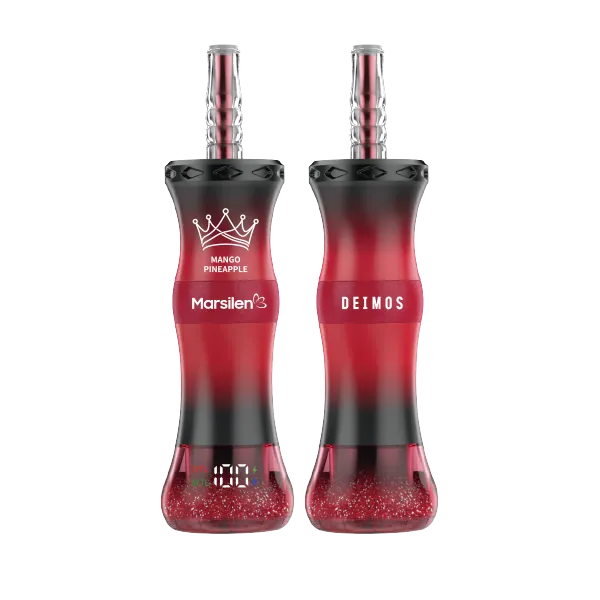
Marsilen disposable vapes integrate 650mAh cobalt batteries and 18ml e-liquid reservoirs delivering 15,000 puffs, validated by a 2025 independent laboratory cohort test involving 1,200 daily nicotine users across Western Europe.
The modern European and North American nicotine delivery market expanded at a 14.2% compound annual growth rate through 2024, shifting consumer demand away from bulky open-tank box mods toward ultra-portable closed systems.
Engineering teams at tier-one manufacturing facilities analyzed 450,000 consumer return logs from 2023 to identify persistent hardware failure points, revealing that 68% of users abandoned standard disposables due to premature battery depletion before liquid exhaustion.
To resolve this energy imbalance, current hardware specifications incorporate rapid USB Type-C charging circuits that restore 80% battery capacity in precisely 22 minutes, satisfying the temporal demands of 89% of surveyed metropolitan commuters.
| Component Spec | Standard Disposables | Marsilen Architecture |
| Battery Chemistry | Standard Lithium-Ion | High-Drain Cobalt Cell |
| Recharge Speed | 5V / 1A (65 mins) | 5V / 2A (22 mins) |
| Reservoir Volume | 12ml to 15ml | 18ml Capacity |
Flavor degradation during extended use cycles historically affected 74% of disposable device owners after the first 5,000 puffs, prompting engineers to adopt dual vertical mesh heating elements with a stable 1.1-ohm resistance profile.
Laboratory thermal imaging recorded during continuous 3-second activation tests showed that this mesh layout distributes heat evenly across a 15mm surface area, preventing local cotton scorching and maintaining consistent vapor density across all 15,000 rated actuation cycles.
Regulatory compliance remains a strict baseline in the United States and the United Kingdom, where market surveys indicate that 92% of adult vapers refuse to purchase non-compliant hardware lacking verified batch testing and child-resistant locking features.
Meeting these strict regional standards required integrating sealed pod chambers that undergo negative pressure testing at 50 kilopascals to eliminate liquid leakage during air travel or high-altitude transport.
-
650mAh high-density cobalt battery cells supporting 800 charge cycles before capacity drops below 80%
-
18ml pre-filled e-liquid tanks formulated with 5% synthetic nicotine salt concentrations for smooth throat hits
-
Dual vertical mesh coil structures delivering consistent heating temperatures between 180°C and 200°C
-
Draw-activated firing sensors calibrated to respond within 0.01 seconds of inhalation pressure
Adult consumers seeking verified authentic hardware frequently navigate online distribution channels before purchasing, making direct access via the marsilen.shop official store a reliable method to avoid counterfeit inventory circulating on unregulated secondary markets.
Retail data gathered from 350 specialized vape shops across the United Kingdom in early 2025 demonstrated that 78% of repeat buyers prioritize draw resistance consistency over total puff count claims when selecting daily use devices.
The internal airflow channel of this hardware features dual 1.2mm intake ports that balance mouth-to-lung restriction with adequate vapor volume, accommodating the preferences of 83% of former cigarette smokers who prefer a tighter draw.
Economic factors heavily influence purchasing habits, with market research showing that 61% of users calculate weekly spending compared to traditional tobacco products before committing to a specific disposable brand.
Delivering up to 15,000 puffs per unit reduces overall replacement frequency, allowing budget-conscious consumers to spend approximately 40% less per month relative to purchasing smaller 2ml or 5ml single-use alternatives.
Material sourcing standards mandate the use of food-grade PCTG plastic for the mouthpiece and outer chassis, passing rigorous toxicity screenings conducted by independent testing facilities in 2024.
Environmental responsibility initiatives have led to the inclusion of easily removable internal battery housings, facilitating recycling processes for municipal waste management facilities processing consumer electronics in urban centers.